After ending my senior year of college in full crisis-mode (thanks, Corona), I googled one of my least favorite buzzwords between classes to get myself out of a funk: self-care.
I swiped through list articles (elegantly formatted advertisements) and was force-fed the same advice: draw in coloring books, buy more products, use new apps to buy more products. So, I cleaned out my beauty cabinet to find “new” beauty products, gave into a 40% off sale online, painted my nails (I hate painting my nails) pastel pink, and promptly chipped off all the polish trying to finish essays and last-minute work assignments. Sometime past midnight, I concluded that my desperate search for “self-care” was an arbitrary algorithm for momentary joy — one mud mask in exchange for one less minute despairing over the state of the world.
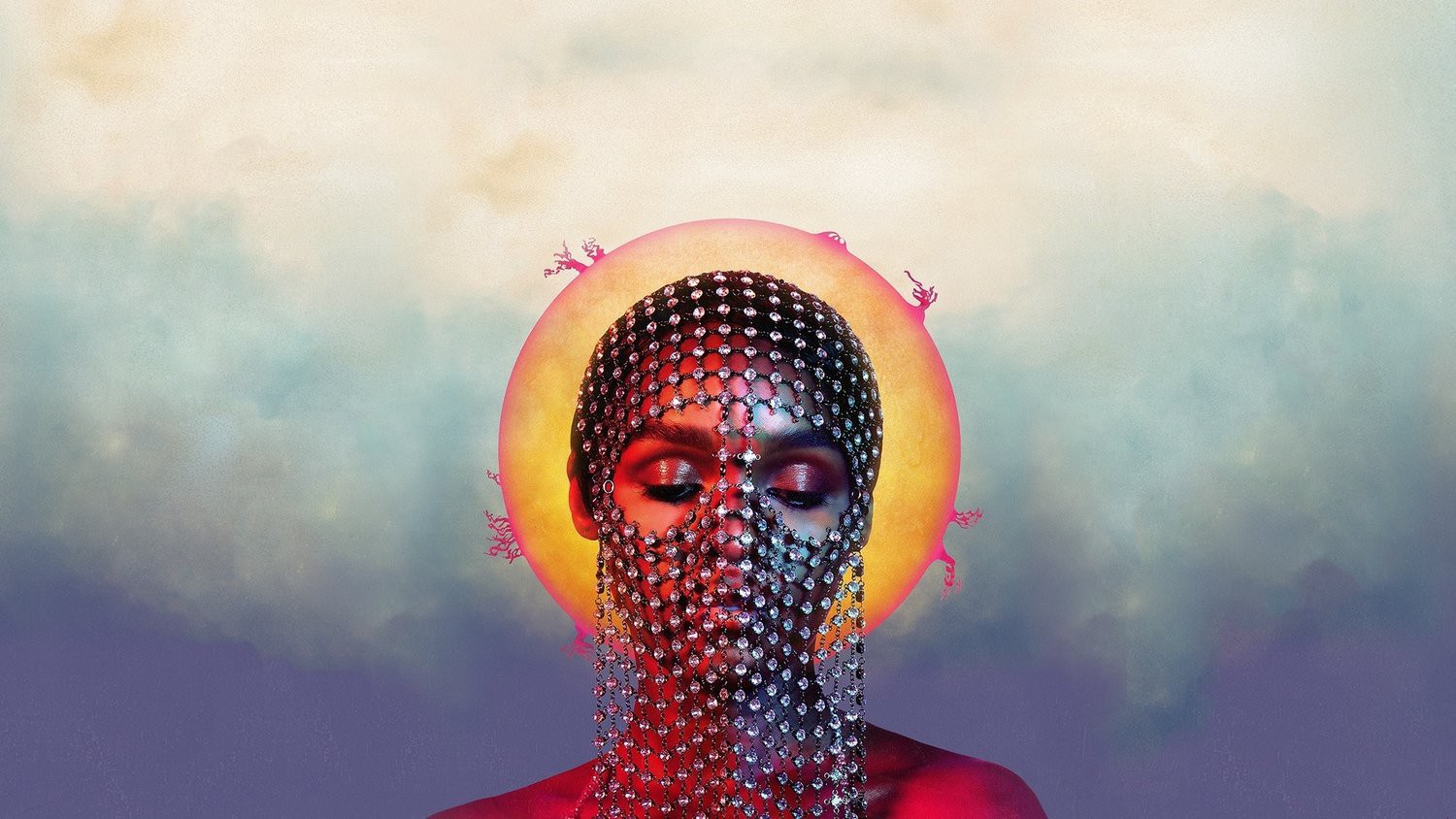
I needed a change — something new to reclaim my time. So I headed to the slightly brighter year of 2018, when Janelle Monáe’s Dirty Computer emotion-picture album first graced YouTube’s platform.
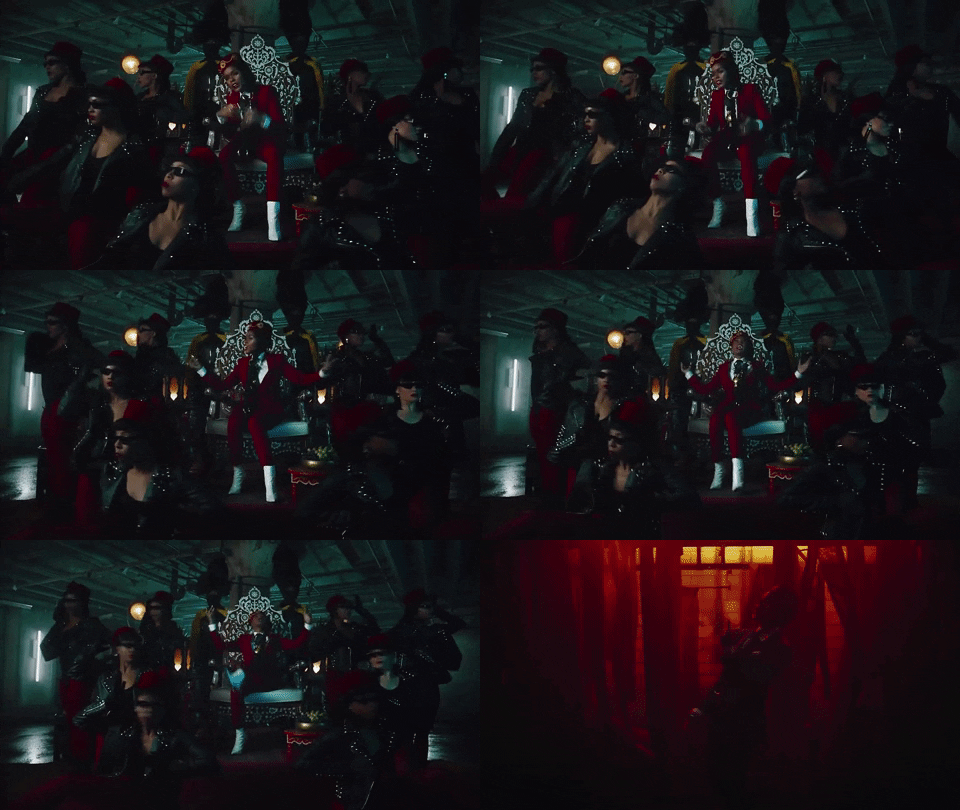
“We gave you life, we gave you birth. We gave you God, we gave you Earth. We fem the future, don’t make it worse You want the world? Well, what’s it worth?”
-Django Jane, Janelle Monáe
In this dystopian future, Monáe blends Afrofuturism, cosmopolitism, science fiction, and a (spoiler alert: happy!) queer love story into a 48-minute long short film. Dirty Computer is a celebration of Monáe’s inspirations and sexuality. And, beyond herself, a promising horoscope for vulnerable populations. Yes, there is sorrow, and loss and grief in this world, but the film is not overwhelmed by it.
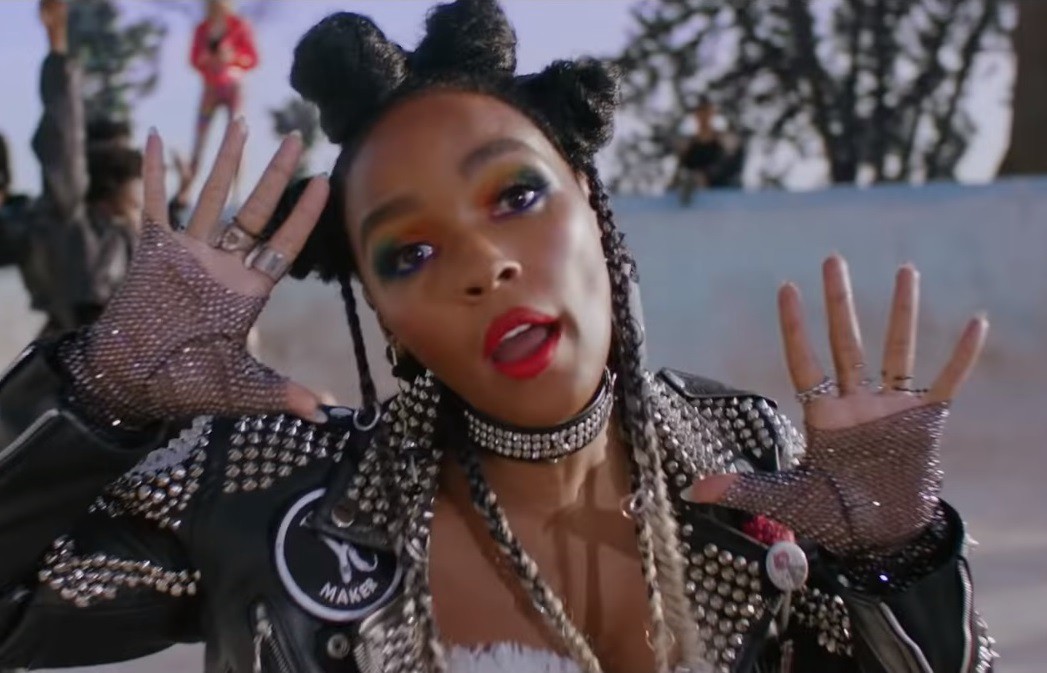
“I am not the American Nightmare, I am the American Dream.”
-Crazy, Classic, Life, Janelle Monáe
Monáe takes on the persona of Jane 57821, a woman who is classified as a “dirty computer”, or a nonconforming member of society. Jane must have her memories erased, or “cleansed”, to be accepted. Unfortunately, no memory is too intimate for the “torches”, or agents of the state, who are tasked with erasing her memories. Initially, the torches give us a voyeuristic glimpse into her memories: police in riot-gear officers deliver black bodies to be erased, intimate moments between her lovers, etc. But this intrusive process transforms into a celebration.
Swaddled in an eerie white light, as the torches drain her of both color and memory, Monáe delivers the same message within each music video: We deserve to exist, and we should be proud to exist.
How have I not seen this? I wonder.
Not the separate music videos, but the entire piece as a short film. While each of her music videos are stellar, the entire film radiates joy and acceptance while keeping viewers anxious for the next memory cleanse. After all, a sad reality permeates each celebratory indie-pop number: black joy is a threat to the state, and it will eventually be destroyed.
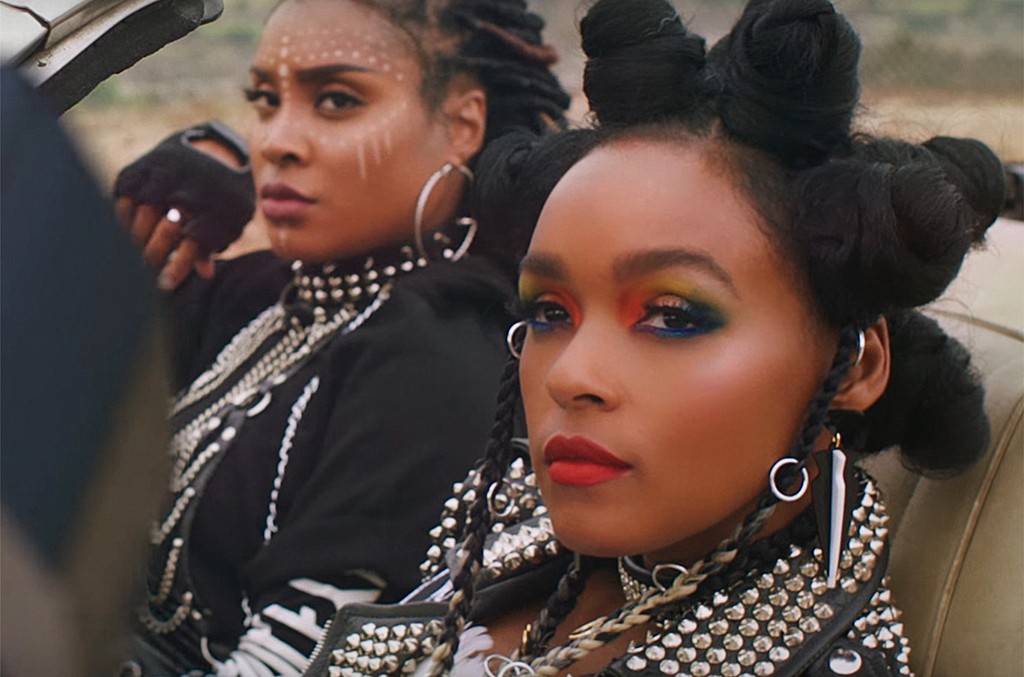
Perhaps most striking is the opening sequence, where Monáe and a friend, driving the speed limit in their hovering convertible, are pulled over by a drone cop. The music cuts out and the drone rattles off incoherent orders. The camera cuts close enough to show their familiarity with yet another “random” police stop. Not much has changed from the present we know. Time ticks on. They are finally free to go, and unharmed (at least physically).
Then a pair of girls emerge from the trunk. Monáe, crowned in braids and bantu knots, belts out “Crazy, Classic Life”: a raucous celebration of living in the moment. Now we get to see the real art in this world — not paintings hidden behind bullet proof glass, or stolen artifacts from Africa — the art is in the streets. Monáe taps into ball culture with voguing and hip hop, bodies grinding to the beat of Prince-inspired pop (he wrote that sexy synth line in “Make Me Feel”). The art is the people — they are the fluidity and fireworks of an otherwise concrete, gray wasteland. Monae is their leader — the dirty computer everyone looks up to. As she described herself in a Rolling Stone interview, she’s one “free-ass m*therfucker”.
Somewhere between a musical and dystopia come to life, Monáe builds an entire world where dirty computers evade a system built to destroy. By simply existing, these dirty computers are a threat.
“I’m always left of center and that’s right where I belong / I’m the random minor note you hear in major songs”
-I Like That, Janelle Monáe
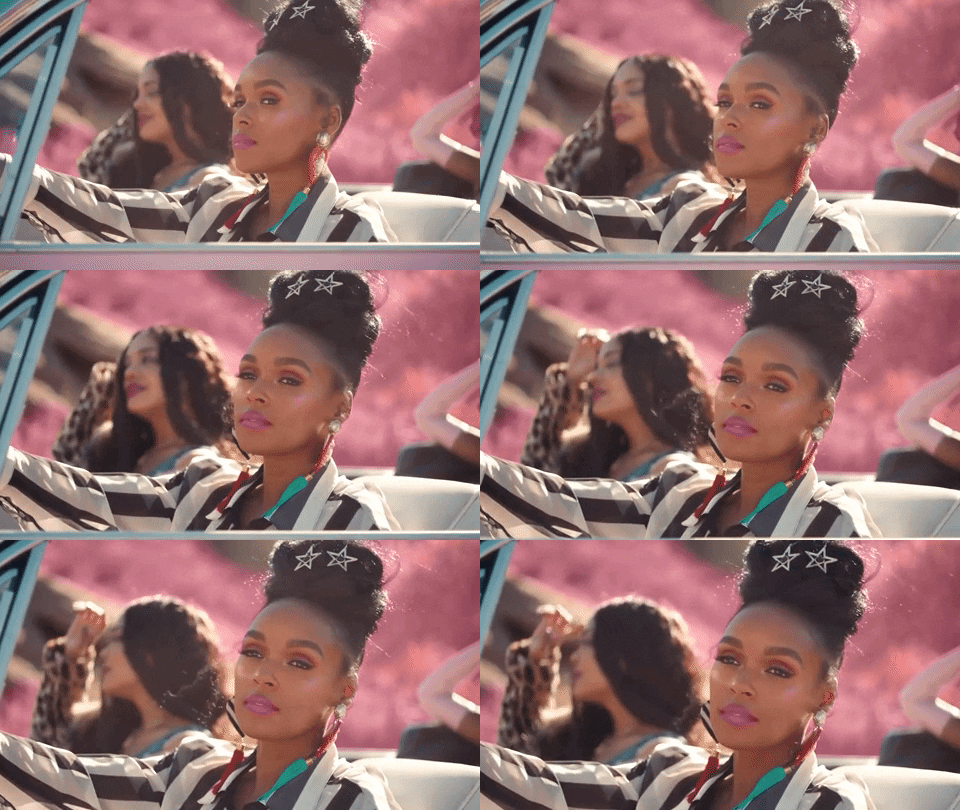
The music is already phenomenal, but her style is shocking in all the right ways. Every stylistic choice, down from the Nubian-inspired, tomb-like medical rooms, to her costumes and hairstyles draw inspiration from the African diaspora. She blurs the line between masculine and feminine fashion — sometimes wearing a tutu, or a full suit, other times somewhere in between.
And that’s fine, she does not need to be one or the other — just Monae.
Though the extent of my fashion knowledge comes from Project Runway and Next in Fashion (Making the Cut, you’re next!), I recognized decadent Ankara prints, gold-stitched Igbo Oke caps. Even the medical robes of the torches cannot help but borrow fashion cues from the dirty computers — gold-black wiring and flowing medical robes seamlessly give way to sequences of raves, club scenes, and the pastels of an LA sunset on an abandoned diner.
When Monae moves, her world moves with her. Whether that’s against her or with her depends entirely on the character in the film. One of her many lovers, played by Tessa Thompson, cannot help but be romantically captivated by Jane. Often described as “eclectic”, Monae is much more than that. She’s an intellectual whose medium is song and film. Whether rapping, singing with Grimes, or playing an electric bass guitar, Monae demands that audiences accommodate her futuristic vision.
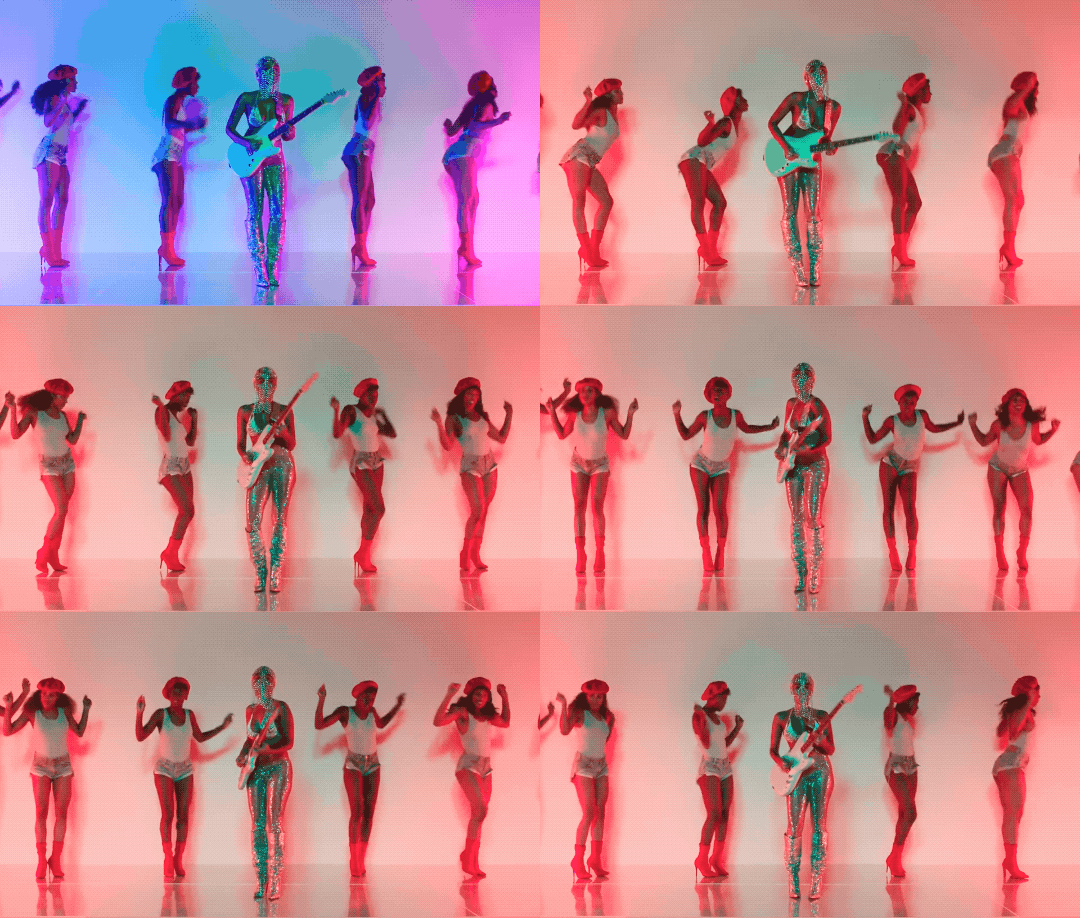
Monáe, who frequently cites Afrofuturism as her inspiration, cannot imagine a future without imagining an unburdened black body. In an interview with Roxanne Gay in “The Cut” Janelle Monáe described what Afrofuturism means to her in a series of creative and unexpected imagery.
“…it’s Lil Uzi Vert being happy with orange locs… Octavia Butler’s voice, Stacey Abrams being president… black people getting passports and hanging out in Africa…black queer lovers holding hands while the pastor smiles… Prince’s eyeliner in Under the Cherry Moon, black bodies walking away alive after a police stop… black kings in nail polish, Lupita’s performance in Us. It looks like an orgasm and the big bang happening while skydiving as Grace Jones smiles.”
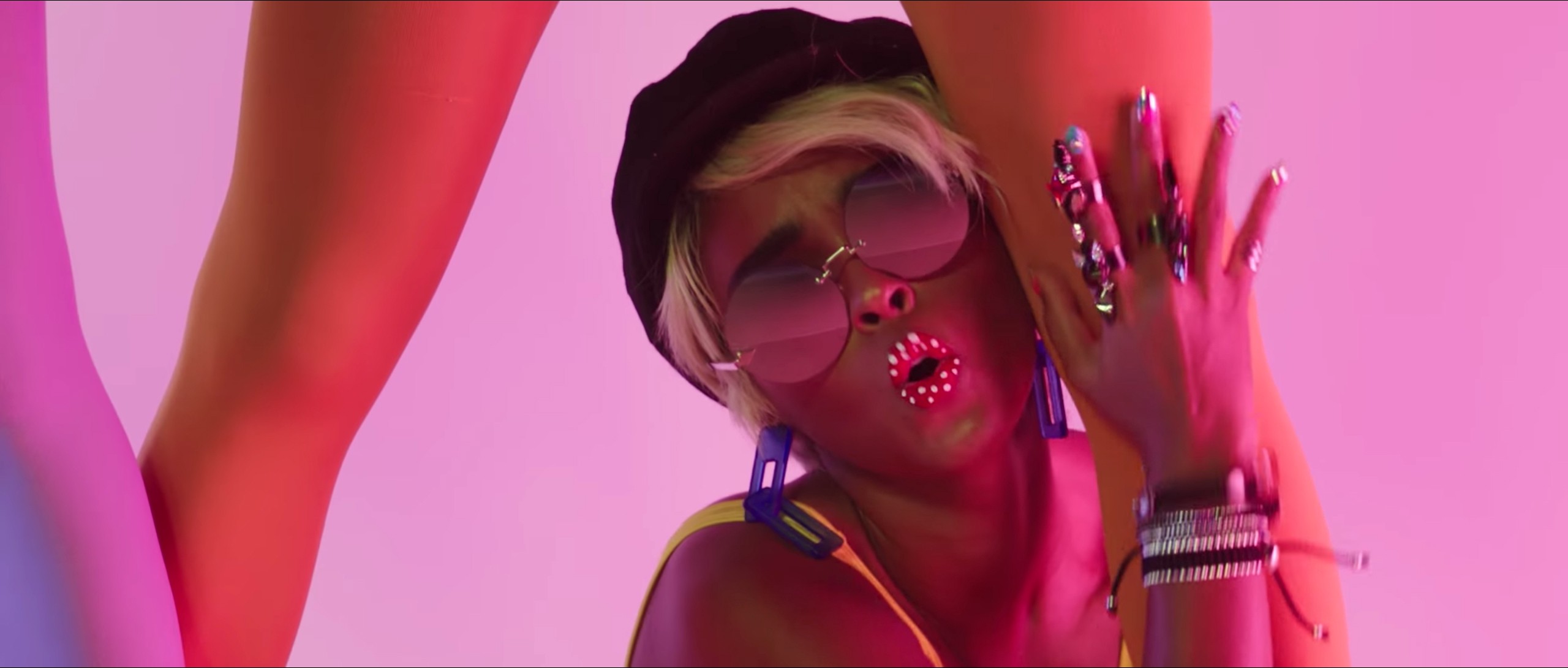
Although she looks to the future, she does not abandon her roots. Her pedagogy elevates queer folks to a stage worthy of Martin Luther King Jr’s attention.
During the second track, images of non-binary, indigenous, black robots and other marginalized members of society stare into the camera, damning those who may deny her the privilege of existing. Pastor Sean McMillan, a reverend at Alfred Street Baptist Church in Chicago, recites an abridged version of his words: “You told us, we hold these truths to be self- evident… that all men and women are created equal.” When speaking on the pursuit of happiness, the reverend’s voice trembles, and he repeats himself — the pursuit of happiness. Monáe is goading her critics — asking them, what authority do you have to deny our happiness?
Dirty Computer ends on a happy note — which surprised me. But that’s one of the most liberating aspects of returning to art during times of chaos: hope. Imagining the future requires a sense of optimism — we must first believe that a future is possible before we imagine what it looks like. We need to imagine a radical new future for ourselves.
Janelle Monae is already there. I’m just glad to be along for the ride.
[1]The Cut. Janelle Monáe interview by Roxane Gay, 3, Feb. 2020. https://www.thecut.com/2020/02/janelle-Monáe-afrofuture.html
 Maya C. James
Leave a comment